
Renal stones, also known as kidney stones, are hard masses made of crystal deposits that form inside the kidneys. Dr. Sourav Dhar (Registration No. 77975 - West Bengal Medical Council) offers renal stone treatment in Siliguri and holds an MBBS and an MS in General Surgery. Depending on the size and location of the kidney stone, he offers both minimally invasive surgeries and traditional open surgeries.
Renal stones are a painful condition that can develop anywhere in your urinary tract, including the kidneys, ureters, bladder, and urethra. Hence, clear step-by-step guidance is required for patients to understand preoperative preparation, dietary prevention, and postoperative follow-up care.
In some cases, small stones can pass naturally through the urinary tract with adequate hydration and prescribed medications. Surgery might become a necessity when the stone obstructs urine flow and strains kidney function. At his clinic, Dr. Sourav Dhar recommends either conservative medication therapy or surgical intervention depending on the diagnostic findings. However, there are specific signs and symptoms that you need to be aware of, as they might indicate a need to seek renal stone treatment in Siliguri:

Sharp and cramping pain that starts in the side or lower back just below the ribs can be caused by kidney stones. The pain can occur in waves, radiating toward the lower abdomen and groin as the stone travels down the narrow ureter.
Prompt medical attention can help with diagnostic imaging, pain management, and surgical intervention before the stone causes complete urinary blockage or severe kidney swelling.

Kidney stones that obstruct the urinary tract can cause intense nausea and repeated vomiting. This is due to the shared neurological pathways between the kidneys and the gastrointestinal system.
In some cases, persistent vomiting prevents patients from maintaining proper fluid levels, which can lead to dehydration and eventually worsen the stone situation. You can seek kidney stone treatment in Siliguri for intravenous hydration, targeted symptom control, and imaging studies to locate and remove the stone.

A sharp, burning sensation while urinating or noticing pink, red, or cola-coloured urine might be an indicator of a stone irritating the delicate lining of the ureter or bladder. Even if you notice microscopic traces of blood in the urine, you must not ignore it.
By seeking medical evaluation, you can get diagnosed to determine whether the symptoms are due to kidney stones or urinary tract infections. Dr. Sourav Dhar prioritizes diagnosis to determine the feasibility of surgical intervention.
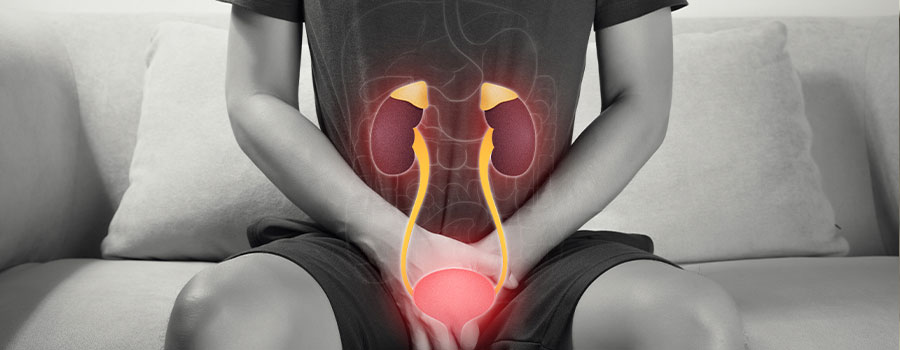
If you notice a weak urine flow, frequent urges to pass only small amounts of urine, or sudden difficulty emptying the bladder, it might be due to a stone positioned near the lower ureter or bladder outlet. If left untreated, prolonged urinary retention can put intense back pressure on the kidneys.
A surgical consultation from a kidney stone doctor in Siliguri can help determine whether conservative medication management or minimally invasive surgery is required to clear the urine flow.

If you have developed a high fever with chills that is accompanied by intense flank pain and foul-smelling urine, it might be a clinically significant situation. This is because, in some cases, it can be caused by a systemic infection, which needs prompt evaluation.
Dr. Sourav Dhar blood tests, urine cultures, and ultrasound scans help identify the infection and accordingly provide antibiotic therapy or surgical removal.
Kidney stones develop when highly concentrated urine allows substances such as calcium, oxalate, and uric acid to crystallize and stick together. Knowing the causes of kidney stones can help you adopt preventive habits alongside seeking renal stone treatment in Siliguri. Here are the common causes of kidney stones:
Not drinking adequate water regularly is a common cause of kidney or renal stones. This is because when the body loses more fluid through sweat and respiration than it replaces, the urine volume drops and can become highly concentrated. Since Siliguri has a humid, subtropical climate, inadequate hydration levels can rapidly trigger the formation of crystalline deposits inside the kidneys.
If you regularly consume diets rich in sodium (table salt), your kidneys might be forced to excrete higher amounts of calcium into the urine. Additionally, excessive consumption of high-oxalate foods, such as spinach, nuts, and beets, can increase uric acid levels while lowering protective urinary citrate. The same condition might occur with excessive consumption of animal proteins.
When bacterial infections within the urinary tract are left untreated or occur repeatedly, they can trigger rapid stone growth. Specific bacteria break down urea into ammonia, which tends to make the urine excessively alkaline and promote the formation of stones. These stones can increase the risk of persistent infection and kidney damage.
If you have parents or siblings who had kidney stones, you might be vulnerable to developing kidney stones of your own. This is because inherited metabolic conditions can determine how the kidneys filter and reabsorb minerals like calcium, cystine, and uric acid. Additionally, some rare genetic conditions, such as cystinuria, can cause excessive amino acid excretion, which leads to recurrent stone formation. You can seek kidney stone treatment in Siliguri for such recurrent formations.
Long-term use of unsupervised medications and supplements can trigger crystallization by altering urinary mineral levels. In some cases, high-dose vitamin C supplements are metabolized as oxalates, which increases the urinary oxalate concentration. Additionally, excessive calcium-based antacids, certain diuretics, and specific antiviral or anti-seizure medications may promote stone formation when fluid intake is low.