Are you experiencing persistent leg pain, swelling, heaviness, or visible, twisted veins? These can be signs of varicose veins, which occur when the valves inside your leg veins weaken. If left untreated, it can lead to painful venous ulcers or severe aching. Dr. Sourav Dhar (Registration No. 77975 - West Bengal Medical Council) offers varicose veins treatment in Siliguri with laser surgery, which is a minimally invasive procedure.
This treatment procedure can prove to be effective by rerouting the blood to healthier, deeper veins, which relieves swelling and discomfort immediately.
Varicose veins are a clear indicator of underlying circulatory issues that can worsen with the passage of time. During the early stages of this condition, you may notice twisting and dark purple bulging veins beneath the skin of your legs. However, as the condition progresses, patients generally experience continuous aching discomfort, which makes it difficult to stand or sit for prolonged periods.
Recognizing the early signs can help you seek timely varicose veins treatment in Siliguri. Here are the critical signs and symptoms to watch out for:
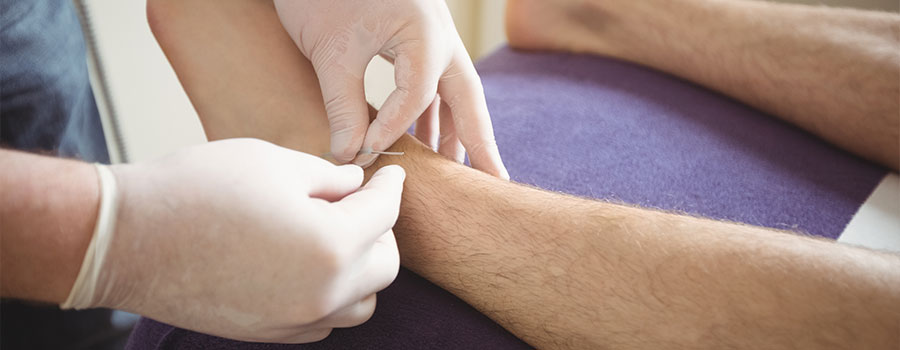
The appearance of swollen, twisted, and bulging veins that look like cords along your legs. The veins are generally dark purple or blue in color. Some patients also experience a persistent heavy, aching, or tired feeling in their lower extremities.
The discomfort might intensify after long periods of standing or sitting, as blood pools in the weakened vessels. This is a potential indicator that your circulatory system is struggling to pump blood efficiently back up toward your heart.
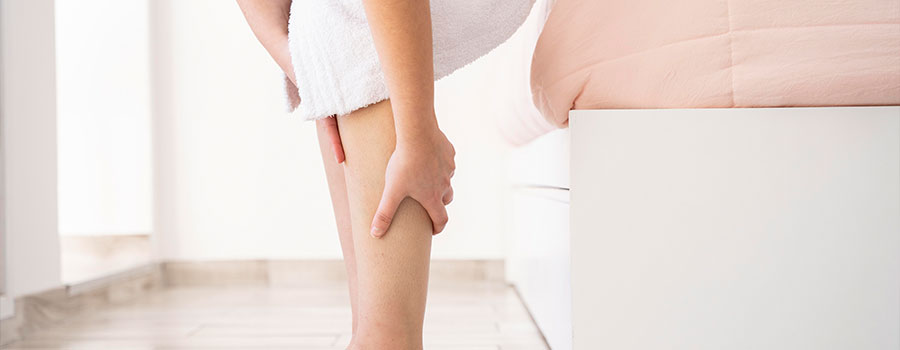
In many cases, individuals complain about distressing physical sensations, such as throbbing, burning, or muscle cramping in the lower legs. These tend to worsen at night and disrupt sleep. On the other hand, some patients also notice throbbing fluid retention, or swelling, around the ankles and feet after a long day of activity.
The skin directly over the affected varicose veins might become severely itchy, dry, or irritated. All of these are potential warning signs of localized inflammation caused by chronic poor blood circulation.
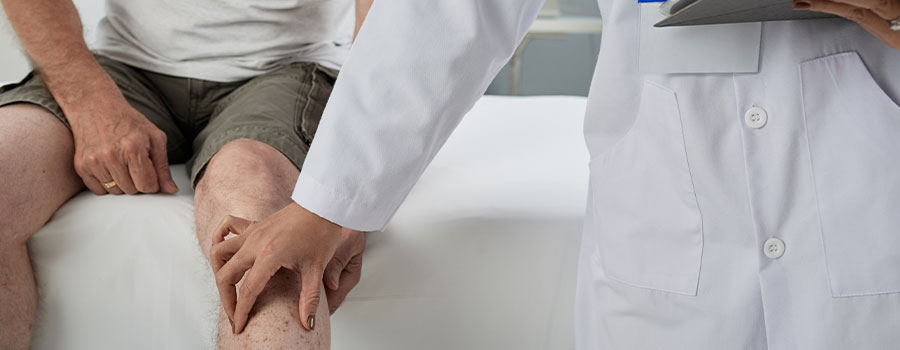
If varicose veins are left untreated for years, the continuous high pressure can force red blood cells into the skin tissues. This might cause permanent dark brown or rusty discoloration around the lower legs and ankles. Additionally, the skin in the affected area can become abnormally thick, hard, and leathery.
During advanced stages of varicose veins, even a minor scratch or scrape can break open into a painful, slow-healing venous ulcer due to poorly oxygenated skin. Therefore, the risk of bacterial infection is high during advanced stages, which might make surgical intervention a necessity.
Varicose veins generally develop due to a breakdown in the normal circulatory mechanics of your lower body. Healthy leg veins contain tiny, one-way valves that open to let blood flow upward toward the heart and close to prevent it from flowing backward. When these valves become damaged or weakened, the blood is forced to pool downward inside the vessels instead of moving forward.
As part of offering laser varicose vein surgery in Siliguri, Dr. Sourav Dhar wants you to know about these common causes:
The structural failure of the one-way valves in the leg veins is a common cause of varicose veins. When these valves fail to close properly, blood flows backward and pools in the vessels. This constant backward pressure can cause the vein walls to lose their elasticity and dilate permanently.
Family history can be a determinant of your overall vascular health. If your parents or close biological relatives have suffered from varicose veins or deep vein thrombosis, you have an increased chance of developing naturally weaker vein walls and fragile venous valves.
If you spend long hours in a stationary position, healthy blood flow can get severely disrupted. Job positions that require continuous standing or sitting can cause blood to pool heavily in the lower legs. When the calf muscles cannot actively pump, the venous valves face intense pressure.
When you carry excessive body weight, there is intense physical strain on the circulatory network of your lower extremities. This is similar during pregnancy, when the vein walls are relaxed, and the growing uterus physically presses against major pelvic veins.
Laser varicose veins surgery can prove to be effective because it addresses damaged blood vessels with high-level precision without disrupting the surrounding healthy tissues. As compared to traditional open surgeries, this technique uses thermal energy to safely seal off diseased veins from the inside out. Here are the advantages of undergoing laser surgery for varicose veins treatment in Siliguri:
This procedure is performed through a microscopic puncture site rather than creating a large cut. A tiny laser fiber is inserted directly into the affected vein under ultrasound guidance. This approach can help with zero permanent surgical scars on your legs and lower the risk of post-operative wound infections.
Laser varicose veins surgery is a convenient daycare treatment, which generally takes around 60 minutes. Hence, most patients do not need an overnight hospital stay, which allows them to walk on their feet almost immediately after the procedure and return home the same day.
Since laser surgery uses thermal energy to get inside the vessel without hampering the surrounding tissue, the chances of post-surgical pain, swelling, and bruising are minimal. In most cases, patients experience immediate relief from the heavy ache in their legs and can potentially resume light activities within 24 hours.
Modern laser surgery has a high sucess rate as compared to traditional open surgeries. Additionally, the procedure seals the root source of the circulatory issues through real-time imaging. Hence, patients often experience long-lasting relief from symptoms, and the chances of recurrence are also lower.